Panama Advances Planned Relocation Protocol Through Technical Validation Workshop and Public Consultation
6 April 2026, Panama City, Panama – The Government of Panama, through the Ministry of Environment (MiAmbiente) and with the support of the Platform on Disaster Displacement (the PDD), convened a technical validation workshop on the draft National Protocol on Planned Relocation. One week later, on 13 April 2026, the draft protocol was officially launched for public consultation, marking a major milestone in Panama’s efforts to strengthen preparedness, governance, and protection in situations where planned relocation may be required in the context of disasters, climate change, and environmental degradation.
The development of the draft Protocol reflects a sustained collaborative process led by Panama with technical support from the PDD. It builds on document reviews, institutional interviews, field visits to various communities, and dialogue with a broad range of stakeholders. This process has sought to ensure that the Protocol is not only technically sound but also grounded in the realities, capacities, and institutional responsibilities of the national context.
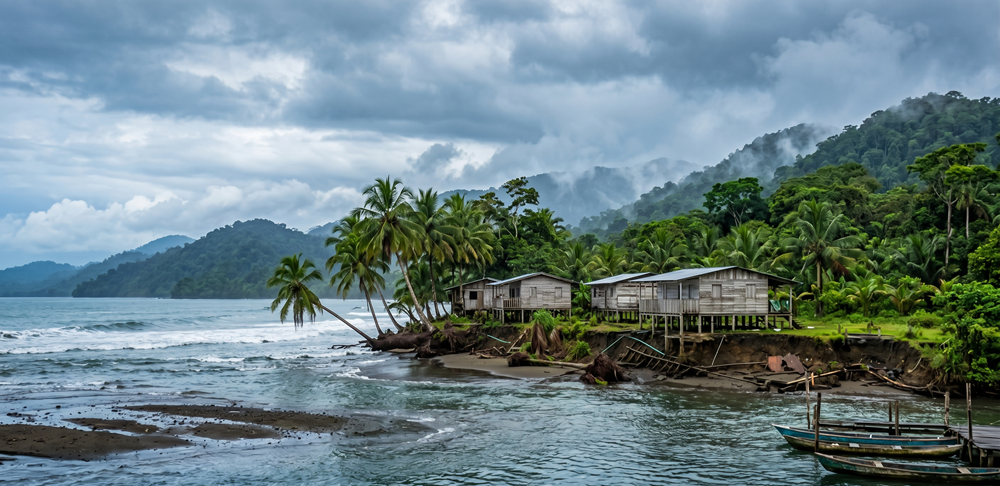
 Planned relocation is a complex and highly sensitive process. When communities face serious and recurrent risks that cannot be adequately addressed through in situ measures, relocation may become one of the available options. However, because it has far-reaching implications for housing, land, livelihoods, culture, social cohesion, and human rights, it must be approached with great care. Planned relocation should not be understood as a simple infrastructure or housing response, but rather as a multidimensional public policy process requiring coordination, participation, and safeguards at every stage.
Against this backdrop, the draft Protocol aims to provide Panama with a practical and structured framework to guide institutions in the planning, decision-making, implementation, and follow-up of planned relocation processes. It seeks to clarify roles and responsibilities, support inter-institutional coordination, and promote a people-centered approach that places affected communities at the core of the process.
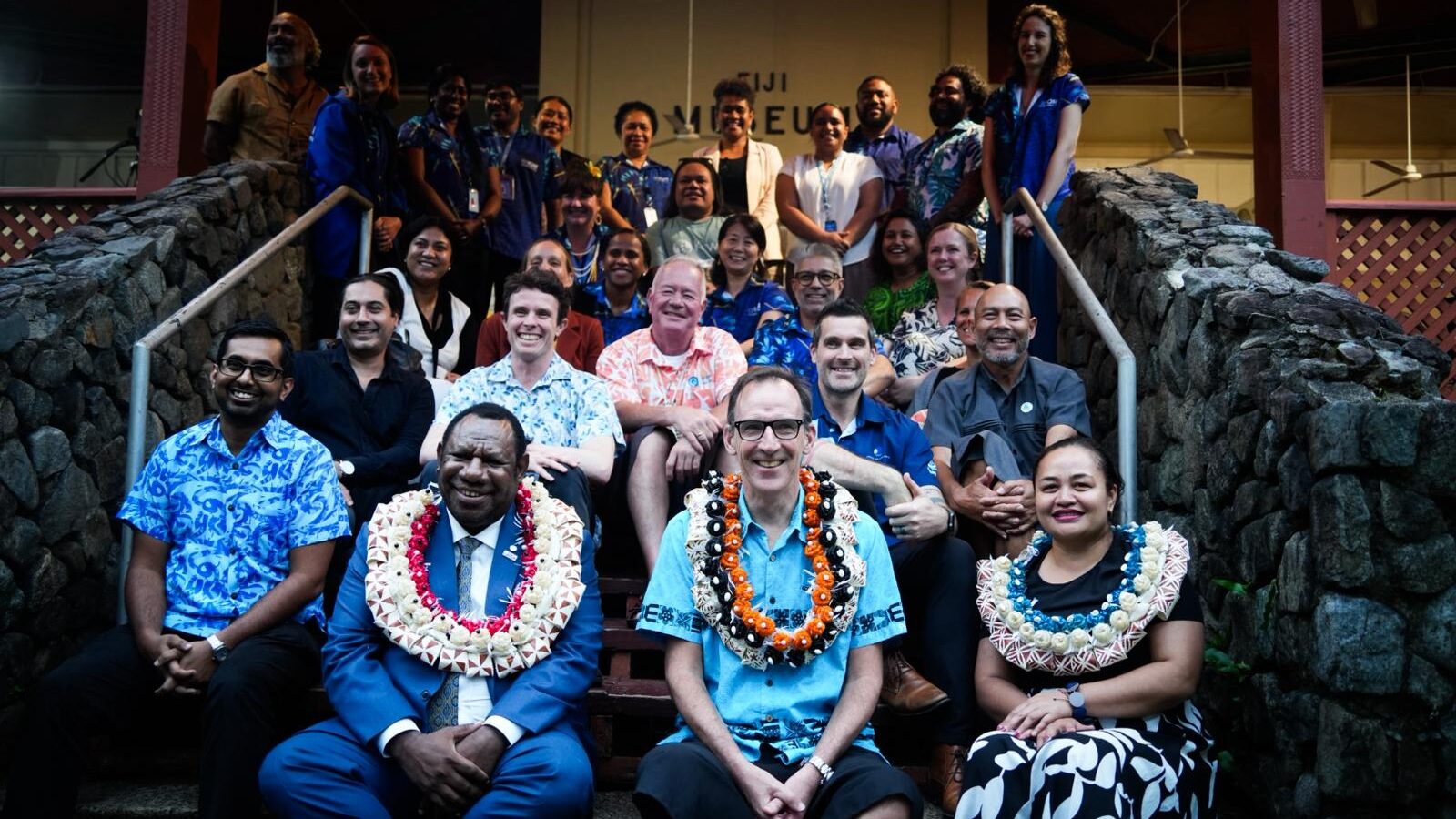
The technical validation workshop held on 6 April brought together key public institutions and stakeholders with responsibilities relevant to risk management, climate change, housing, land-use planning, social protection, indigenous affairs, local governance, and other related sectors. The workshop provided a strategic space to review the draft, identify areas for improvement, and strengthen the coherence and operational value of the Protocol and its annexes.
 The exchanges during the workshop reaffirmed the importance of developing a national instrument that can help Panama address one of the most challenging dimensions of disaster displacement and climate impacts. Participants contributed technical observations and recommendations aimed at strengthening the document’s conceptual clarity, institutional applicability, and territorial relevance. Particular attention was given to ensuring that the Protocol reflects the diversity of territorial realities in the country, including the specific circumstances of indigenous peoples and areas governed by special legal regimes.
The workshop also underscored the importance of anchoring the Protocol in human rights, participation, and inclusion. In practice, this means recognizing that any planned relocation process should be guided by meaningful consultation and community engagement, access to information, attention to differentiated impacts, and respect for cultural identity, social organization, and traditional forms of authority. These elements are essential to building legitimacy, reducing risks of harm, and ensuring that relocation processes are sustainable over time.
The launch of the public consultation on 13 April represents the next important step in this national process. Opening the draft Protocol to public review helps broaden participation, invites additional technical and substantive inputs, and reinforces transparency in the development of this policy instrument. It also creates an opportunity for institutions, experts, civil society, community actors, and other stakeholders to help strengthen a tool that may prove essential for future decision-making.
For Panama, this process is particularly relevant in a context where climate variability, slow-onset environmental changes, and disaster risk are increasingly affecting territories and communities in different ways. Strengthening national capacities to address internal displacement risks and possible relocation scenarios is, therefore, not only a matter of emergency preparedness but also of long-term resilience, prevention, and governance.
The draft Protocol is expected to contribute to a more coordinated and principled approach to planned relocation, consistent with relevant international frameworks and guidance. This includes the broader recognition that, when displacement risks cannot be avoided, States need tools to ensure that responses protect people, reduce future vulnerabilities, and support durable solutions.
The PDD is pleased to support the Government of Panama and the Ministry of Environment in this important effort. The technical validation workshop and the opening of the public consultation demonstrate Panama’s commitment to tackling complex human mobility challenges in a forward-looking and participatory manner. They also reflect the value of bringing together environmental, disaster risk reduction, territorial planning, social, and human rights perspectives in the design of national responses.
As the consultation moves forward, the process offers an important example of how States can work across sectors to develop practical guidance on planned relocation in a way that is context-specific, rights-based, and oriented toward prevention and protection. The PDD remains committed to accompanying such efforts and to supporting States in addressing disaster displacement and related mobility challenges linked to the adverse effects of climate change.